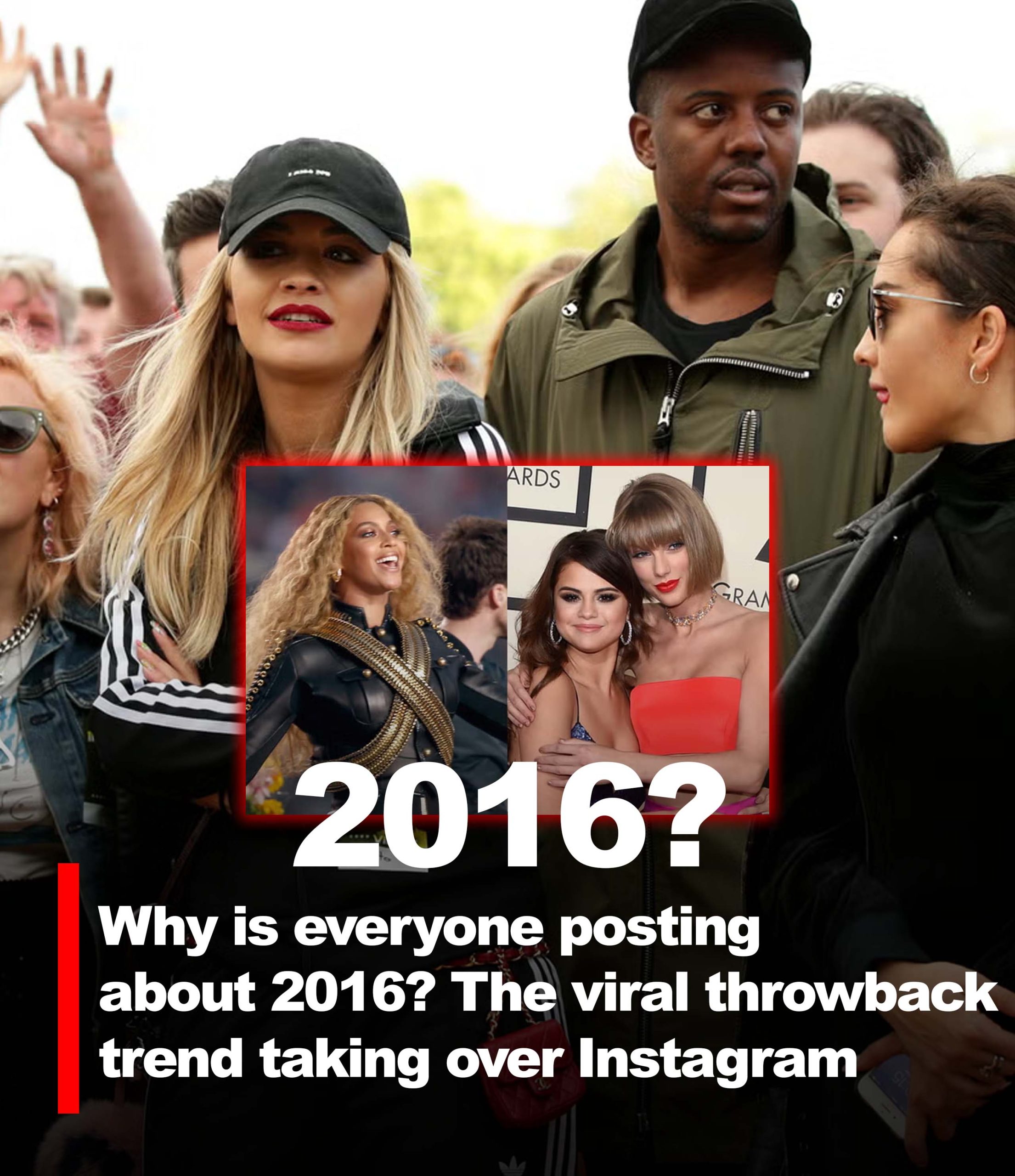
The first two weeks of 2026 have launched a nostalgic trend across the internet as social media users attempt to turn back the clock with lo-fi-filtered throwbacks captioned, “2026 is the new 2016.”
Social media users scrolling Instagram or TikTok in the past few weeks have been likely to stumble upon posts showing off intensely carved eyebrows with a puppy dog Snapchat filter, or grainy iPhone pictures of people playing Pokémon Go as people lament the decade gone by.
Since the new year began, social media feeds have been overwhelmed with evidence of people scouring through their 10-year-old digital archives to share recap carousels and low-quality videos of the bygone era.
TikTok reported that in the first week of the year, searches for “2016” surged by 452 percent on the platform, according to the BBC. More than 56 million videos have been made using a hazy filter on the app inspired by the year.
Celebrities and influencers have joined in on the trend as well. Selena Gomez posted throwback pictures of herself on tour at the time, and Charlie Puth posted a video of himself lip-syncing his hit song from that year, “We Don’t Talk Anymore.”
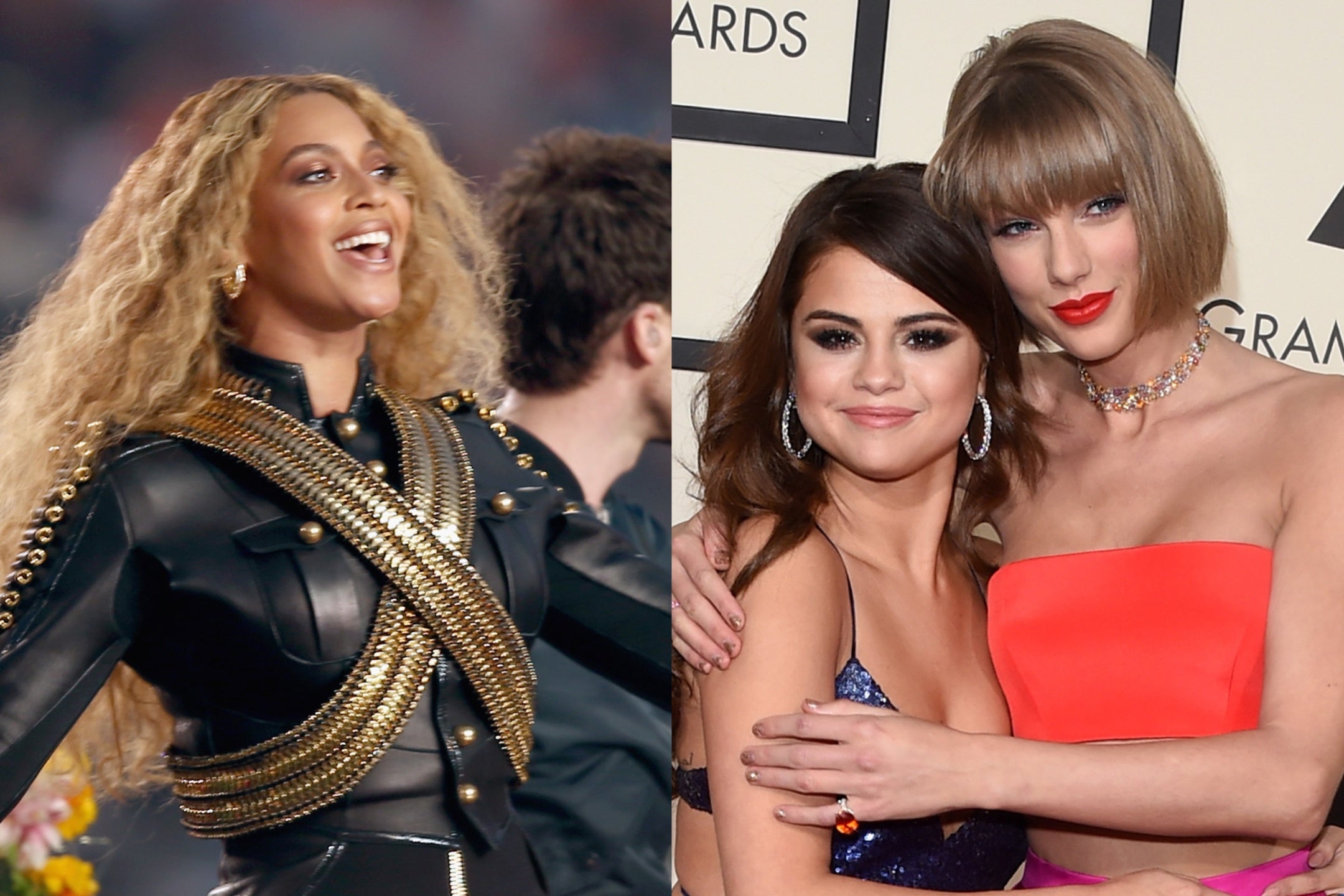
Beyoncé, Selena Gomez and Taylor Swift were responsible for some of the radio hits and cultural hot topic moments that made up 2016. Now, the year is making a comeback on social media (Getty Images)
So, why 2016? In addition to marking the 10-year anniversary, the year was momentous for pop culture phenomenons — Beyoncé released Lemonade, Taylor Swift debuted her bleached hair at Coachella and Rae Sremmurd’s “Black Beatles” inspired the viral Mannequin Challenge. The Chainsmokers and Drake were dominating on the radio, and short-form video platform Vine was still wildly popular before the app shut down in January 2017.
But there is more to the “2026 is the new 2016” trend than maximalist aesthetics and cultural touchstones. Internet users seem to be jumping at the opportunity to reminisce on a simpler world than the one that exists now.
In 2016, the coronavirus pandemic was still years away. Two terms of Donald Trump as president were only on the horizon. AI-generated slop had yet to flood social media with misinformation.
“Would love to return to life in 2016,” one X user wrote about the trend. Another chimed in, “Man, what a time to be alive.”
But while the rose-tinted trend might paint 2016 as the calm before the storm, The Independent’s Katie Rosseinsky argued that people participating in the trend are forgetting that the year had struggles just like any other year, including the Pulse Nightclub shooting and the deaths of beloved cultural icons including Prince, David Bowie and Carrie Fisher.
Rosseinsky wrote, “This reinvention of 2016 as some kind of joyous pinnacle, then, proves our relentless capacity for nostalgia, the ability to transform even the bad times into something worthy of reminiscing over from a distance of just a few years.”
The internet has declared 2016 “the last good year,” a sentiment now manifesting in a wave of nostalgia across social media timelines, where throwbacks to festival selfies, grainy vlogs, and Tumblr-era memes are abundant. This collective yearning has culminated in the declaration that “2026 is the new 2016,” reflecting a deeper longing not for the politics or headlines of the past, but for the distinct feeling of the internet at that time.
Before the advent of hyper-curated feeds and the relentless optimisation of Instagram accounts, social media offered a messier, more communal, and spontaneous experience. Trends felt genuinely collective, style was playful, and participation didn’t require adherence to a specific “core” aesthetic. This emotional tone is precisely what is now resurfacing a decade later, translating into a fashion revival that sees the return of defining pieces such as chokers, statement earrings, and skinny jeans.
However, the 2026 iteration of 2016 fashion is more interpretive than a direct replication of bomber jackets or full glam make-up. Celebrity stylist Oriona Robb explains that this resurgence is intrinsically linked to how we now process identity online. “The internet has democratised fashion in a way runways never could,” Robb states. “What we’re seeing with ‘2026 is 2016’ isn’t just nostalgia, it’s visual thinkers processing identity through familiar references.” She adds, “Runway trends tell you what’s coming, internet culture tells you what’s resonating emotionally.”
Robb emphasises that these 2016 revivals are only effective in 2026 if they are used to express one’s current identity, rather than a past self. “The difference between looking dated and looking current is confidence,” she notes. “That’s what transforms any trend into personal style.” This shift from blind trend-following to authentic expression is key to navigating the current fashion landscape.
So, how are the defining items of 2016 making their comeback, and how should they be worn in 2026?
Skinny Jeans
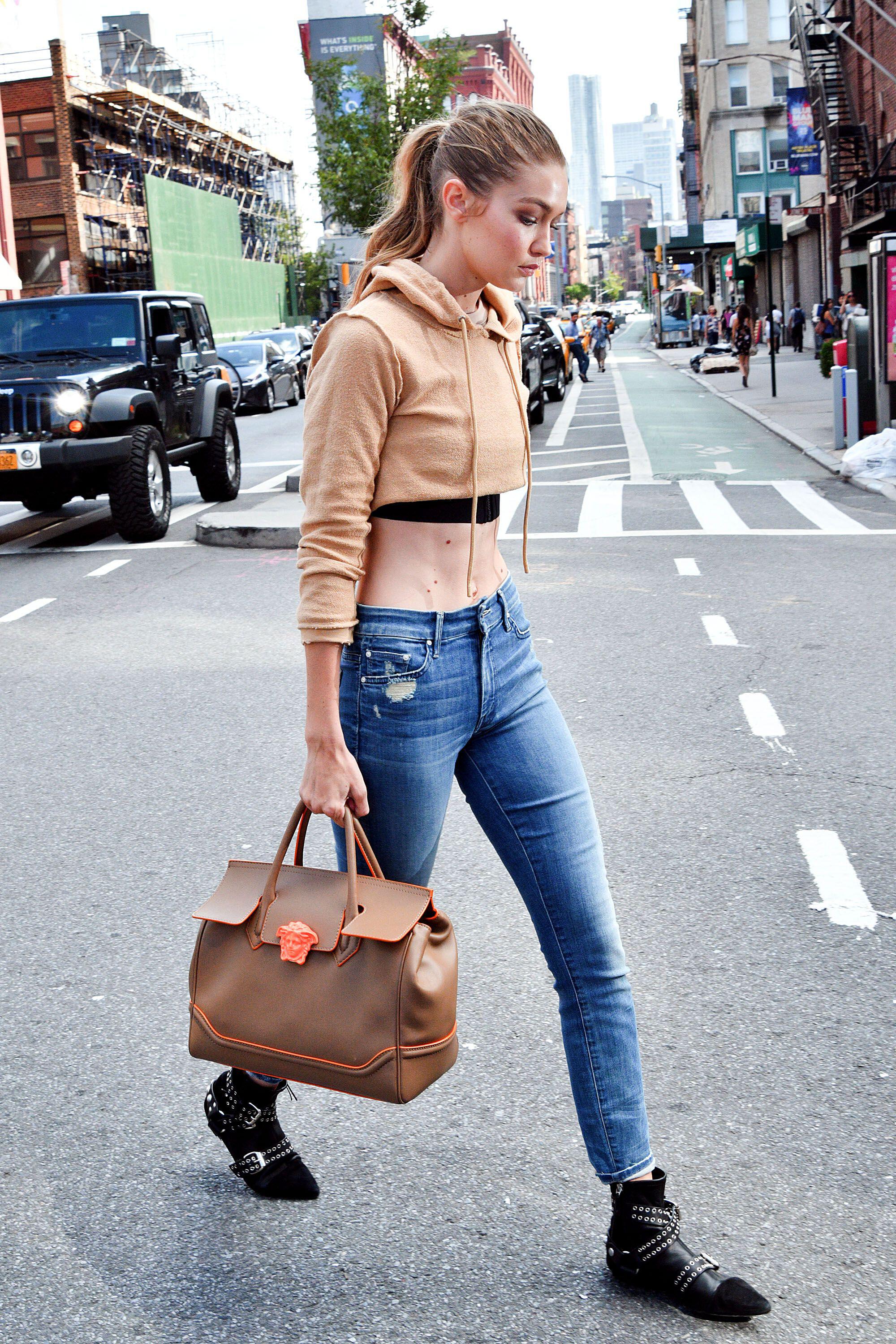
For many, skinny jeans represent the most emotionally charged item of the 2016 revival, often evoking strong opinions. As Robb explains, “The clothes are rarely the real problem, it’s the identity shift people haven’t made yet. Skinny jeans in 2016 were about conformity. In 2026, they’re a choice. The difference [is] proportion.” While 2016 often saw skinny jeans paired with tight crop tops or bandeaus, contemporary fashion places a greater emphasis on balanced proportions. Robb advises, “Pair them with oversized blazers or chunky knits to create contrast rather than the head-to-toe slim silhouette of a decade ago, and critically, wear them because they serve your body and your style, not because everyone else is. That’s the shift from trend-following to authentic style.”
Off-the-shoulder Top and Choker
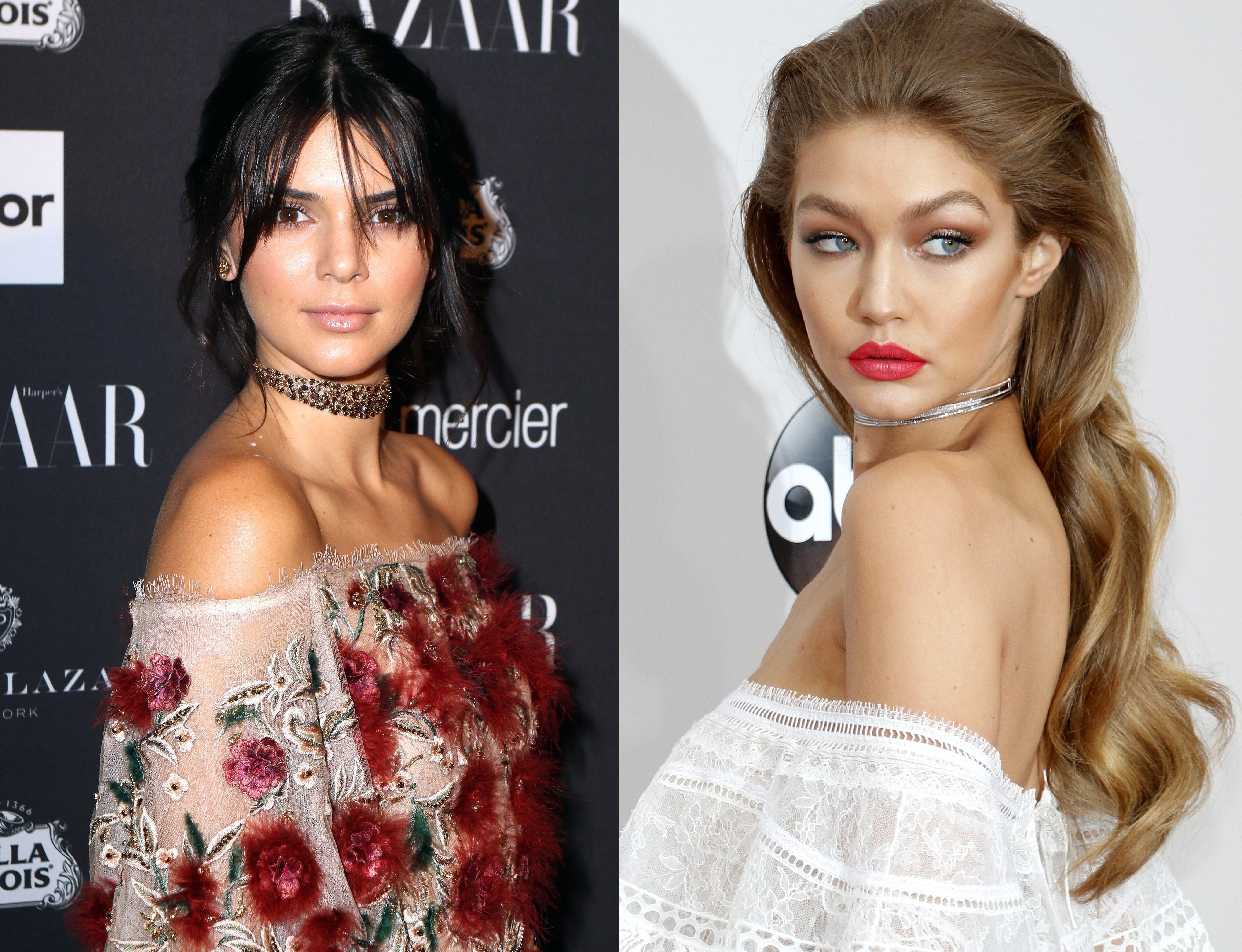
The combination of an off-the-shoulder top and a choker was a ubiquitous image of 2016, gracing red carpets and street style alike, worn by everyone from high-profile celebrities to festival-goers. “In 2016, chokers signalled belonging to a specific internet subculture,” Robb observes. “Today, they’re a powerful move, a deliberate nod to the past.” The modern approach involves reframing these pieces; instead of a single statement choker, Robb suggests pairing one with longer, layered necklaces to create “visual interest that’s a bit more 2026.” The same principle applies to off-the-shoulder tops. “Off-shoulder pieces work in 2026 when you treat them as statement items, not complete looks,” she says, contrasting this with the matchy-matchy sets of 2016. An off-the-shoulder knit paired with tailored trousers, for instance, offers a cooler, updated take on the elasticated cotton tops of the past.
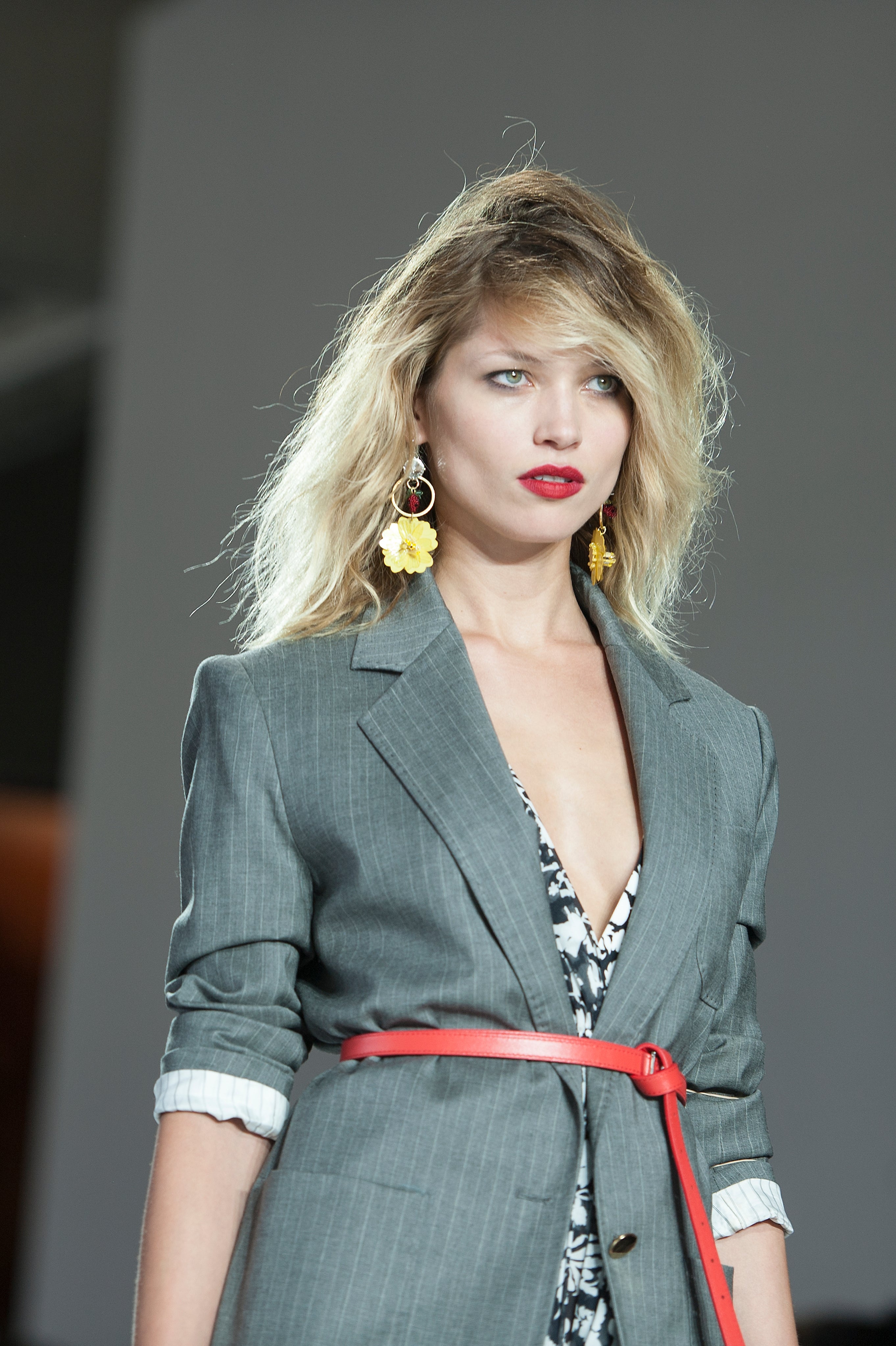
Statement Earrings
While 2016 is making a comeback, 2026 has also witnessed a shift from “quiet luxury” to “loud luxury,” with bold colours like cobalt blue, emerald green, and red dominating trends. This explains the resurgence of maximalist pieces such as statement earrings, chunky boots, and oversized jackets. “Statement earrings and chunky boots ground bold colours; they create visual anchors that prevent outfits from feeling too out-of-date,” Robb explains. She notes that the 2016 palette was often muted or monochrome, whereas now, “we’re seeing bolder colours because people are more confident expressing individuality.” Her advice is to select colours that flatter and instil confidence, then allow accessories to provide structure.
Baseball Caps
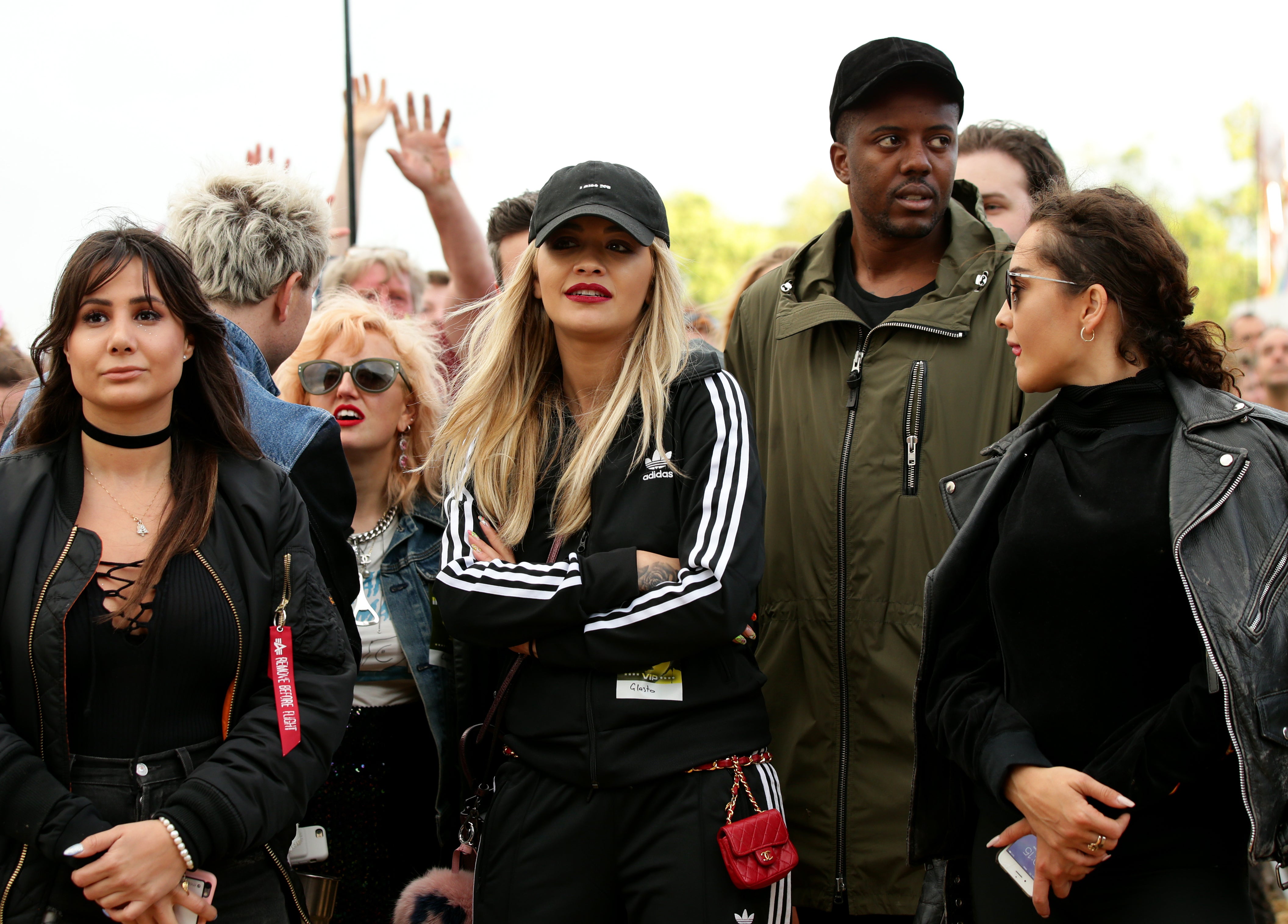
In 2016, the baseball cap was a symbol of streetwear and off-duty cool, sported by numerous style icons. In 2026, however, it has undergone a significant transformation. “Baseball caps in 2026 are about elevated casualness,” Robb states. She recommends pairing them with tailored pieces, such as a structured coat and quality leather accessories. “You’re not trying to look sporty, you’re demonstrating that you understand how to mix high and low, formal and casual.”
Ultimately, the 2026 revival of 2016 fashion is less about replicating a bygone era and more about a sophisticated reinterpretation. It champions individual expression and confidence, transforming nostalgic trends into contemporary personal style.